

Picture this: a vibrant medley of colors dancing in a pan, releasing an aroma so delightful it could charm the socks off a grumpy garden gnome. That’s what awaits you with this healthy sautéed vegetables recipe!
This dish isn’t just about eating your greens; it’s about celebrating them. We’re talking about a symphony of flavors and textures that will make your taste buds sing opera. It is perfect as a side dish or a light meal.
- Ready in under 30 minutes, making it perfect for busy weeknights.
- Features a vibrant mix of seasonal vegetables bursting with flavor.
- Easily customizable to suit your taste preferences and dietary needs.
- Provides a nutritious and delicious way to boost your veggie intake.
Ingredients for Healthy Sautéed Vegetables Recipe
Here’s what you’ll need to make this delicious dish:
Cherry Tomatoes provide a juicy burst of sweetness. Select tomatoes that are firm and plump.
The full ingredients list, including measurements, is provided in the recipe card directly below.
How to Make Healthy Sautéed Vegetables Recipe
Follow these simple steps to prepare this delicious dish:
Step 1: Prepare the Vegetables
Wash and chop all the vegetables. Cut the broccoli into bite-sized florets, dice the bell peppers and zucchini, thinly slice the red onion, and mince the garlic. If using cherry tomatoes, halve them. This ensures even cooking.
Step 2: Sauté the Aromatics
Heat olive oil in a large skillet or wok over medium heat. Add the sliced red onion and cook until softened, about 3-5 minutes. Then, add the minced garlic and cook for another minute until fragrant. Be careful not to burn the garlic!
Step 3: Add the Hearty Vegetables
Add the broccoli florets, bell peppers, and zucchini to the skillet. Season with salt and pepper. Stir-fry the vegetables for about 8-10 minutes, or until they are tender-crisp. Remember, we want a little crunch!
Step 4: Incorporate Tomatoes and Herbs (If Using)
If using cherry tomatoes, add them to the skillet during the last 3 minutes of cooking. Stir in fresh herbs like thyme, rosemary, and parsley. These elevate the flavour of this recipe!
Step 5: Finish with Lemon Juice
Squeeze fresh lemon juice over the sautéed vegetables. This brightens the flavors and adds a touch of acidity. Stir well to combine.
Step 6: Serve and Enjoy
Transfer the healthy sautéed vegetables to a serving dish. Garnish with extra fresh herbs, if desired. Serve immediately as a side dish or enjoy as a light and nutritious meal.
Perfecting the Cooking Process
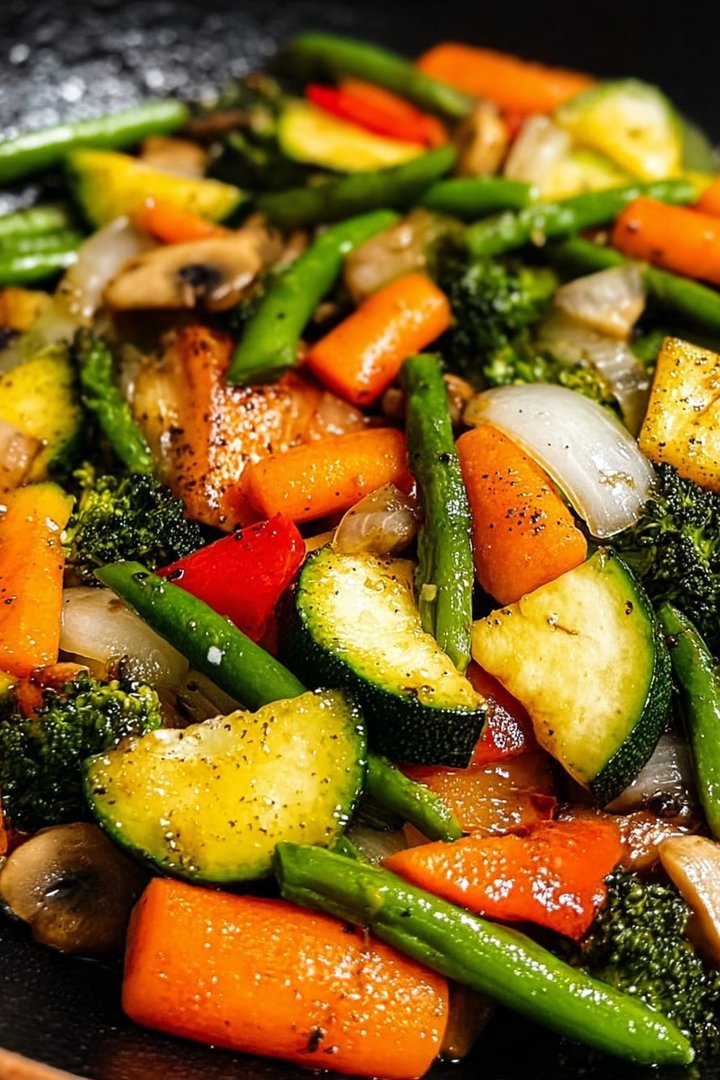
To achieve culinary harmony with your sautéed vegetables, orchestrate your cooking. Begin with vegetables that require longer cooking times, such as carrots and broccoli, and then add the quicker cooking ones like bell peppers and zucchini to ensure everything reaches tender-crisp perfection simultaneously.
Add Your Touch
Unleash your inner culinary artist! Feel free to swap out vegetables based on your preferences or what’s in season. Experiment with different herbs and spices like thyme, rosemary, or a pinch of red pepper flakes for an extra kick of flavor. A squeeze of lemon juice at the end adds a delightful brightness.
Storing & Reheating
If you have any leftover healthy sautéed vegetables, store them in an airtight container in the refrigerator for up to three days. To reheat, simply sauté them in a pan with a little olive oil or microwave until warmed through. They’re also delicious cold in salads!
Here are some tips to help you shine in the kitchen when preparing your healthy sautéed vegetables recipe:
- Don’t overcrowd the pan; this lowers the temperature and leads to steaming instead of searing, resulting in soggy vegetables.
- Use a wok for the best results, the shape allows the vegetables to stay close to the high heat while making it easy to toss them for even cooking.
- Preheat the pan thoroughly before adding the oil and vegetables to ensure a nice sear and prevent sticking.
(Personal anecdote formated as paragraph subheading)
My grandma always said the secret to perfect veggies was a dash of her homemade garlic-infused oil. It instantly elevated the dish, making everyone ask for seconds every single time.
The Humble Beginnings of a Healthy Habit
Let’s be honest, sometimes the thought of eating vegetables feels about as appealing as watching paint dry. We all know we *should* eat them, but the road to a healthy lifestyle is paved with good intentions and often derailed by cravings for something… less green. But fear not, my friends! Today, we’re not just making a side dish; we’re embarking on a flavor adventure that might actually make you *crave* your veggies. I’m talking about a vibrant, delicious, and surprisingly easy healthy sautéed vegetables recipe that will transform your perception of leafy greens forever.
This isn’t your grandma’s boiled-to-death Brussels sprouts (sorry, Grandma!). We’re talking about perfectly crisp-tender vegetables, bursting with flavor and ready to become the star of your plate. So, ditch the guilt, grab your chopping board, and let’s dive into a world where healthy eating is actually… enjoyable.
Why Sautéed Vegetables are the Unsung Heroes of Dinner
Sautéing vegetables is like giving them a spa day. A quick sear in a hot pan coaxes out their natural sweetness, preserves their nutrients, and gives them a satisfying texture that boiling or steaming just can’t match. Plus, it’s incredibly fast! We’re talking weeknight-dinner-friendly fast. Forget spending hours slaving over a complicated dish; this healthy sautéed vegetables recipe comes together in minutes, leaving you more time to binge-watch your favorite show or finally tackle that pile of laundry. Okay, maybe not the laundry. But you get the idea.
Beyond the speed and deliciousness, sautéed vegetables are incredibly versatile. They’re the blank canvas of the culinary world, ready to be customized with your favorite flavors and spices. Whether you’re a fan of Asian-inspired stir-fries, Mediterranean delights, or good old-fashioned comfort food, this recipe can be adapted to suit your taste.
The Ultimate Vegetable Lineup: Assemble Your Dream Team
The beauty of this healthy sautéed vegetables recipe lies in its flexibility. You’re not restricted to a specific set of ingredients. Think of it as a “choose your own adventure” for your taste buds! Here are some of my favorite vegetables to include in the mix:
- **Bell Peppers:** These colorful gems add sweetness, crunch, and a dose of vitamin C. Red, yellow, and orange peppers are all fantastic options.
- **Broccoli:** A nutritional powerhouse, broccoli florets become beautifully tender-crisp when sautéed.
- **Carrots:** Sliced thinly or julienned, carrots add a touch of sweetness and a vibrant orange hue.
- **Zucchini:** This mild-flavored squash soaks up all the delicious flavors you add to the pan.
- **Onions:** No sauté is complete without the aromatic base of onions. They add depth and complexity to the dish.
- **Mushrooms:** Earthy and savory, mushrooms add a wonderful texture and umami flavor.
- **Snap Peas:** These crunchy pods add a delightful sweetness and a satisfying snap.
Feel free to experiment with other vegetables like asparagus, green beans, eggplant, or even Brussels sprouts (yes, even Brussels sprouts can be delicious when sautéed correctly!). The key is to choose vegetables that cook at roughly the same rate so everything is perfectly cooked.
Secrets to Sautéing Success: From Prep to Plate
Now that you’ve assembled your vegetable dream team, let’s talk technique. Sautéing might seem simple, but a few key tips can elevate your healthy sautéed vegetables from good to *amazing*.
Prep Like a Pro: Vegetable Cutting 101
Uniformity is key! Cut your vegetables into similar sizes to ensure they cook evenly. Think bite-sized pieces that are easy to eat and quick to cook. This not only makes the dish more visually appealing but also prevents some vegetables from being overcooked while others are still raw.
Heat It Up: Choosing the Right Pan and Oil
A large skillet or wok is your best friend for sautéing vegetables. You want a pan that’s wide enough to accommodate all the vegetables without overcrowding. For the oil, opt for a high-heat oil like avocado oil, grapeseed oil, or refined coconut oil. These oils can withstand the high temperatures required for sautéing without smoking or breaking down.
Don’t Overcrowd the Pan: The Golden Rule of Sautéing
This is perhaps the most important tip of all! Overcrowding the pan lowers the temperature and causes the vegetables to steam instead of sear. This results in soggy, unappetizing vegetables. Cook your vegetables in batches if necessary to ensure they have enough room to sear properly.
Seasoning Sensations: Flavoring Your Veggies to Perfection
Don’t be afraid to get creative with your seasonings! A simple combination of salt, pepper, and garlic powder is always a winner, but you can also experiment with other herbs and spices. Try adding a pinch of red pepper flakes for a little heat, some dried herbs like oregano or thyme for a Mediterranean twist, or a dash of soy sauce or tamari for an Asian-inspired flavor.
The Art of the Toss: Keeping Things Moving
Sautéing is all about movement! Use a spatula or tongs to toss the vegetables frequently to ensure they cook evenly and don’t burn. This also helps to distribute the flavors of the oil and seasonings throughout the dish.
Beyond the Basics: Elevating Your Sautéed Vegetables
Once you’ve mastered the basic healthy sautéed vegetables recipe, the possibilities are endless! Here are a few ideas to take your veggie game to the next level:
Garlic Goodness: Infusing Your Oil with Flavor
Sautéing minced garlic in the oil before adding the vegetables infuses the entire dish with a delicious garlicky flavor. Just be careful not to burn the garlic, as it can become bitter.
Citrus Zing: Adding a Burst of Freshness
A squeeze of lemon or lime juice at the end of cooking adds a bright, refreshing flavor that complements the vegetables perfectly.
Nutty Delight: Topping with Toasted Nuts or Seeds
Toasted nuts or seeds add a wonderful crunch and nutty flavor to your sautéed vegetables. Try topping them with toasted almonds, walnuts, sesame seeds, or sunflower seeds.
Saucy Sensations: Drizzling with a Flavorful Sauce
A drizzle of your favorite sauce can transform your healthy sautéed vegetables into a restaurant-worthy dish. Try a balsamic glaze, a peanut sauce, or even a simple vinaigrette.
Protein Power: Adding a Boost of Sustenance
For a complete meal, add some protein to your sautéed vegetables. Grilled chicken, shrimp, tofu, or chickpeas are all great options.
The Healthy Sautéed Vegetables Recipe: A Step-by-Step Guide
Ready to get cooking? Here’s a simple yet flavorful healthy sautéed vegetables recipe to get you started:
**Ingredients: **
- 1 tablespoon olive oil
- 1 onion, sliced
- 2 cloves garlic, minced
- 1 red bell pepper, sliced
- 1 green bell pepper, sliced
- 1 cup broccoli florets
- 1 cup sliced carrots
- 1 zucchini, sliced
- Salt and pepper to taste
- Optional: herbs, spices, sauces, nuts, seeds
**Instructions: **
1. Heat the olive oil in a large skillet or wok over medium-high heat.
2. Add the onion and cook until softened, about 5 minutes.
3. Add the garlic and cook until fragrant, about 30 seconds.
4. Add the bell peppers, broccoli, and carrots. Cook, stirring occasionally, until slightly tender, about 5-7 minutes.
5. Add the zucchini and cook until tender-crisp, about 3-5 minutes.
6. Season with salt, pepper, and any desired herbs or spices.
7. Serve immediately and enjoy!
This healthy sautéed vegetables recipe is a fantastic starting point. Feel free to adjust the ingredients and seasonings to your liking. Don’t be afraid to experiment and have fun! The most important thing is to enjoy the process and create a dish that you love.
Embrace the Veggie Revolution
So, there you have it! A complete guide to creating the perfect healthy sautéed vegetables recipe. With a little practice and a few simple tips, you can transform ordinary vegetables into a culinary masterpiece. Say goodbye to boring side dishes and hello to a world of flavor, color, and healthy eating. Now go forth and sauté! Your taste buds (and your body) will thank you for it.
Conclusion for Healthy Sautéed Vegetables Recipe:
This healthy sautéed vegetables recipe is a simple yet satisfying way to enjoy a colorful and nutritious meal. With customizable vegetable options and endless flavor possibilities, it’s a dish you can adapt to your taste and dietary needs. Remember to keep your cooking times in mind, spice it up with your favorite herbs and seasonings, and don’t be afraid to experiment! So grab your favorite veggies, fire up the stove, and get ready to create a delicious and healthy dish that will make your taste buds sing.
Print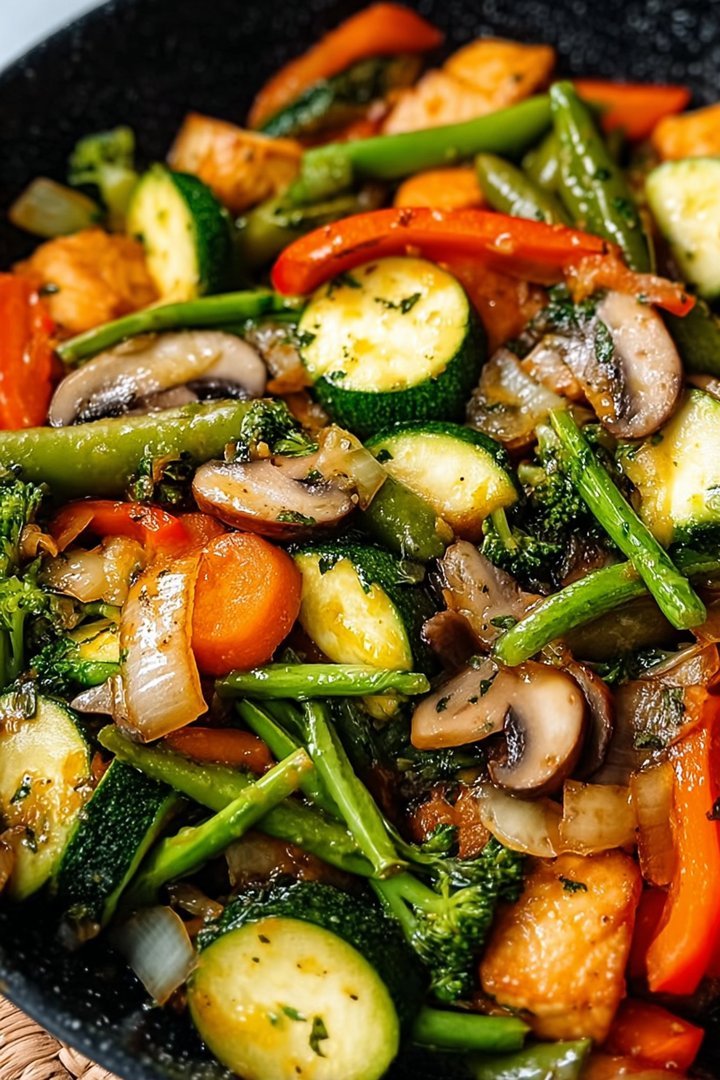
Healthy Sautéed Vegetables Recipe
Delicious healthy sautéed vegetables recipe recipe with detailed instructions and nutritional information.
- Total Time: 35 minutes
- Yield: 4 servings
Ingredients
- Broccoli florets: 1 cup
- Carrots, sliced: 1/2 cup
- Red bell pepper, chopped: 1/2 cup
- Yellow bell pepper, chopped: 1/2 cup
- Onion, sliced: 1/4 cup
- Garlic, minced: 2 cloves
- Olive oil: 2 tablespoons
- Low-sodium soy sauce: 1 tablespoon
Instructions
- Step 1: Heat olive oil in a large skillet or wok over medium-high heat.
- Step 2: Add the sliced onion to the skillet and cook for 2-3 minutes, until softened.
- Step 3: Add the minced garlic and cook for another minute, until fragrant. Be careful not to burn it.
- Step 4: Add the broccoli florets, sliced carrots, and chopped bell peppers to the skillet.
- Step 5: Sauté the vegetables for 5-7 minutes, stirring occasionally, until they are tender-crisp.
- Step 6: Stir in the low-sodium soy sauce and cook for another minute, allowing the vegetables to absorb the flavor. Serve immediately.
Notes
- Store leftovers in an airtight container in the refrigerator for up to 3 days.
- For best results, reheat the vegetables in a skillet over medium heat with a splash of water to prevent drying.
- Serve these vibrant veggies over quinoa or brown rice for a complete and nutritious meal.
- Don't overcrowd the pan; sauté in batches if needed to ensure even cooking and prevent steaming instead of browning.
- Prep Time: 15 minutes
- Cook Time: 20 minutes
- Method: Stovetop
- Cuisine: American
FAQs:
What makes this Healthy Sautéed Vegetables Recipe so healthy?
Well, buckle up, buttercup, because we’re ditching the deep fryer and embracing the vibrant power of nature! This healthy sautéed vegetables recipe is packed with vitamins, minerals, and fiber, all thanks to the rainbow of fresh veggies we’re using. Sautéing, as opposed to frying, uses minimal oil, preserving the vegetables’ nutrients and keeping the calorie count reasonable. Plus, you control the salt! So you can enjoy a flavorful and fulfilling dish without the guilt. Think of it as a delicious way to boost your immunity and give your body the love it deserves.
Can I customize the vegetables in this Healthy Sautéed Vegetables Recipe?
Absolutely! This is your veggie voyage, captain! Feel free to swap in your favorites or whatever’s lurking in your crisper drawer. Zucchini, bell peppers of any color, broccoli florets, mushrooms, snap peas, even asparagus – the possibilities are endless. Just keep in mind different vegetables have different cooking times, so add the harder ones first and the tender ones later. The goal is to have them all cooked but still slightly crisp-tender. Don’t be afraid to experiment and discover your own signature blend!
How can I add more flavor to my Healthy Sautéed Vegetables Recipe?
Spice it up, buttercup! A little garlic and ginger go a long way. Try adding a splash of apple cider vinegar at the end for a tangy zing or a sprinkle of red pepper flakes for a little heat. Fresh herbs like thyme, rosemary, or parsley can also elevate the flavor profile. Soy sauce alternatives or coconut aminos add a savory depth. And don’t underestimate the power of a good quality vegetable broth for deglazing the pan. Get creative and find your perfect flavor combination!
Can I make this Healthy Sautéed Vegetables Recipe ahead of time?
You sure can! Sautéed vegetables are great for meal prepping. Just cook them until they’re slightly underdone, as they’ll continue to cook as they cool. Store them in an airtight container in the refrigerator for up to three days. When you’re ready to eat, simply reheat them in a skillet or microwave until warmed through. They might lose a little bit of their crispness, but they’ll still be delicious and convenient. Think of it as a future flavor explosion waiting to happen!





Leave a Comment